
Engineering for the Gulf Coast
Coastal Durability: Why Metal Choice Matters
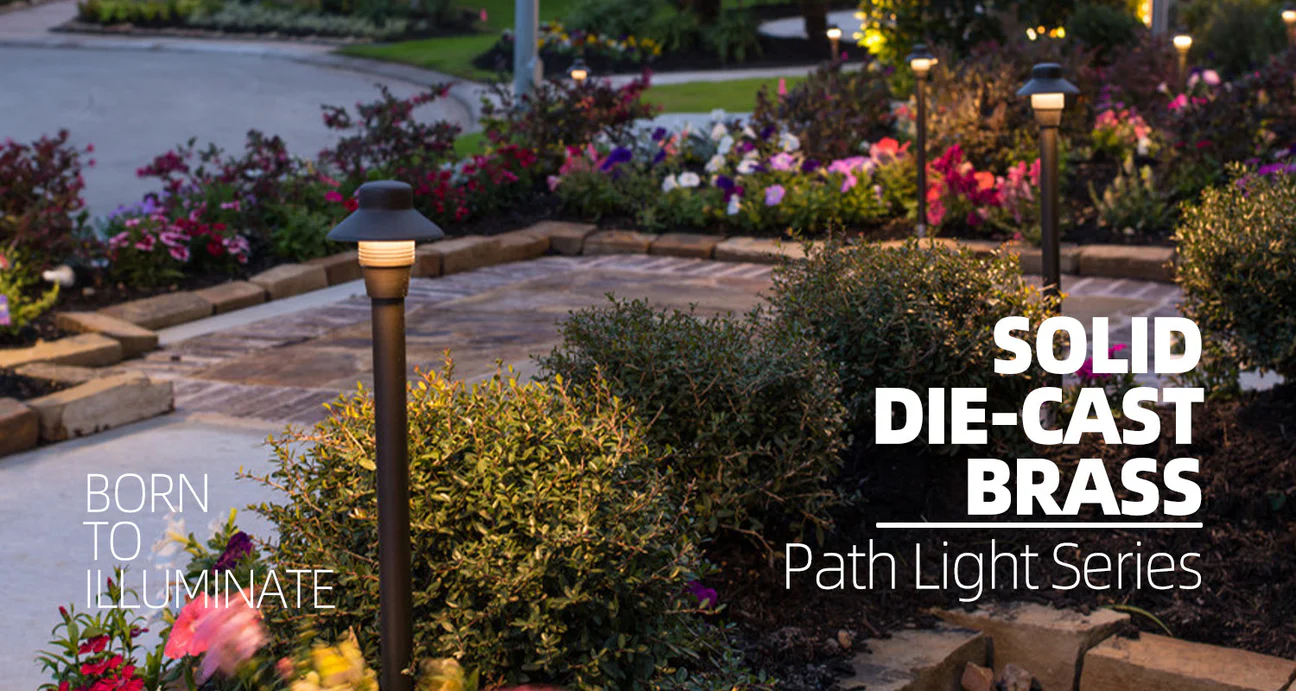
In Tampa Bay, the salt air is a relentless architect of decay. If your lighting isn't engineered with non-ferrous metallurgy, it isn't an investment—it's a countdown to failure.
Build a Lifetime SystemThe "Corrosion Tax" on Aluminum
Most "contractor-grade" lights are made of powder-coated aluminum. While they look fine on Day 1, the salinity of the Florida air eventually finds a microscopic crack in the paint. Once the salt gets inside, the aluminum oxidizes, bubbles, and turns into a brittle white powder.
This "Corrosion Tax" means homeowners in Tampa and St. Pete often pay for their lighting system twice—once for the cheap install, and again when it rots in 24 months.
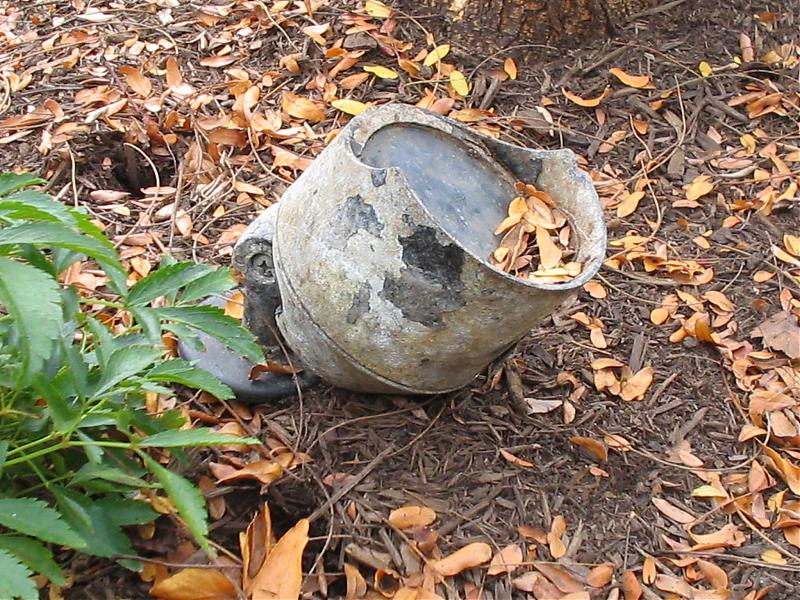
TYPICAL ALUMINUM FAILURE IN PINELLAS COUNTY
The Metallurgy of Success
Solid Sand-Cast Brass
Brass is an alloy of copper and zinc. According to ASTM Material Standards, it is non-ferrous, meaning it cannot rust. It develops a natural patina shell that gets stronger with age.
Thermal Management
Heat is the #1 killer of LED lamps. Our brass fixtures act as a natural heat sink, pulling heat away from the sensitive LED driver and extending the life of your bulbs significantly.
Chemical Resistance
Waterfront homes face high soil acidity. We follow UF/IFAS soil guidance to ensure our brass fixtures and seals stand up to both salt spray and chemical fertilizers.
Marine-Grade Hardware
We only install what we are willing to warrant for life.
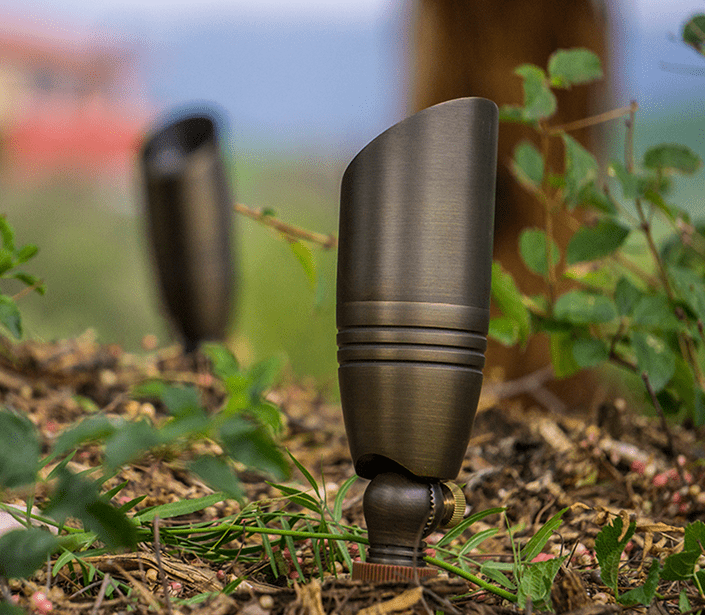
The Pulsar Directional
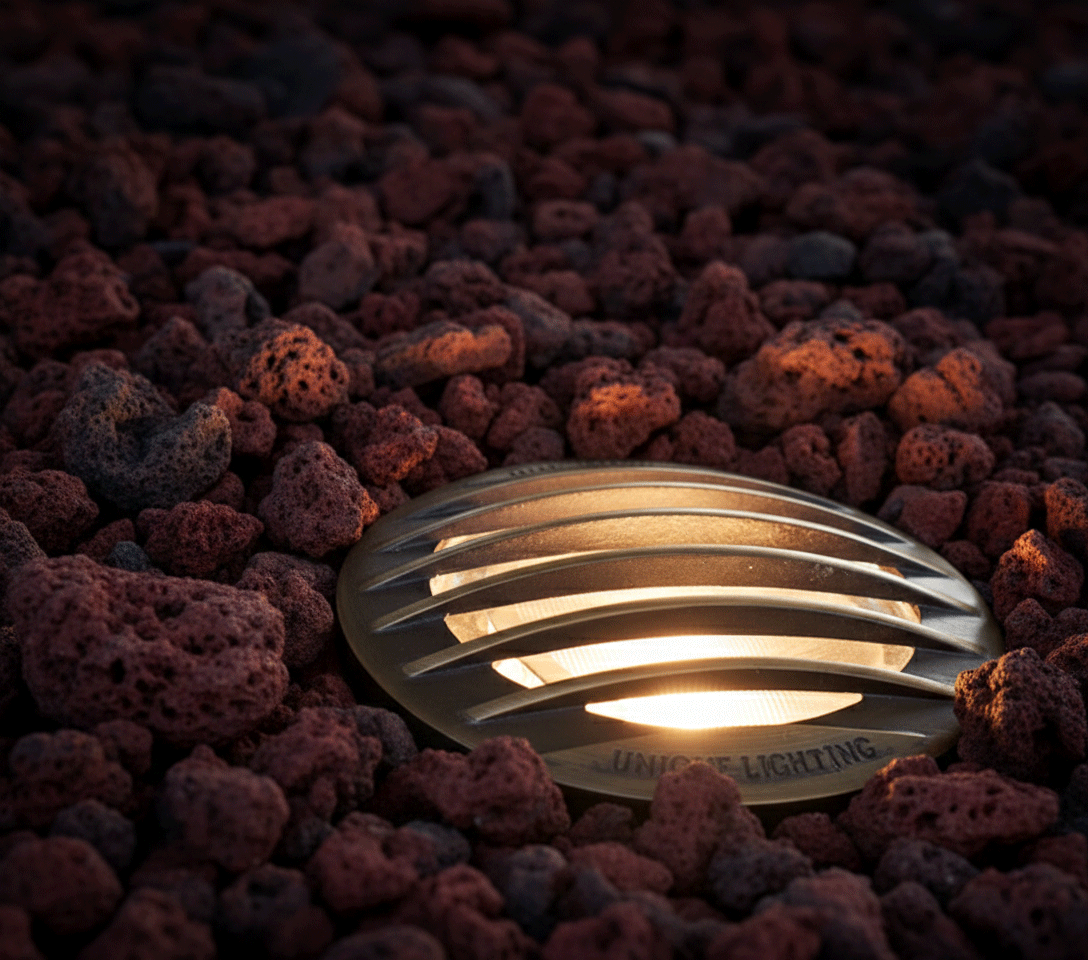
The In-Ground Well Light
Engineering Beyond the Metal
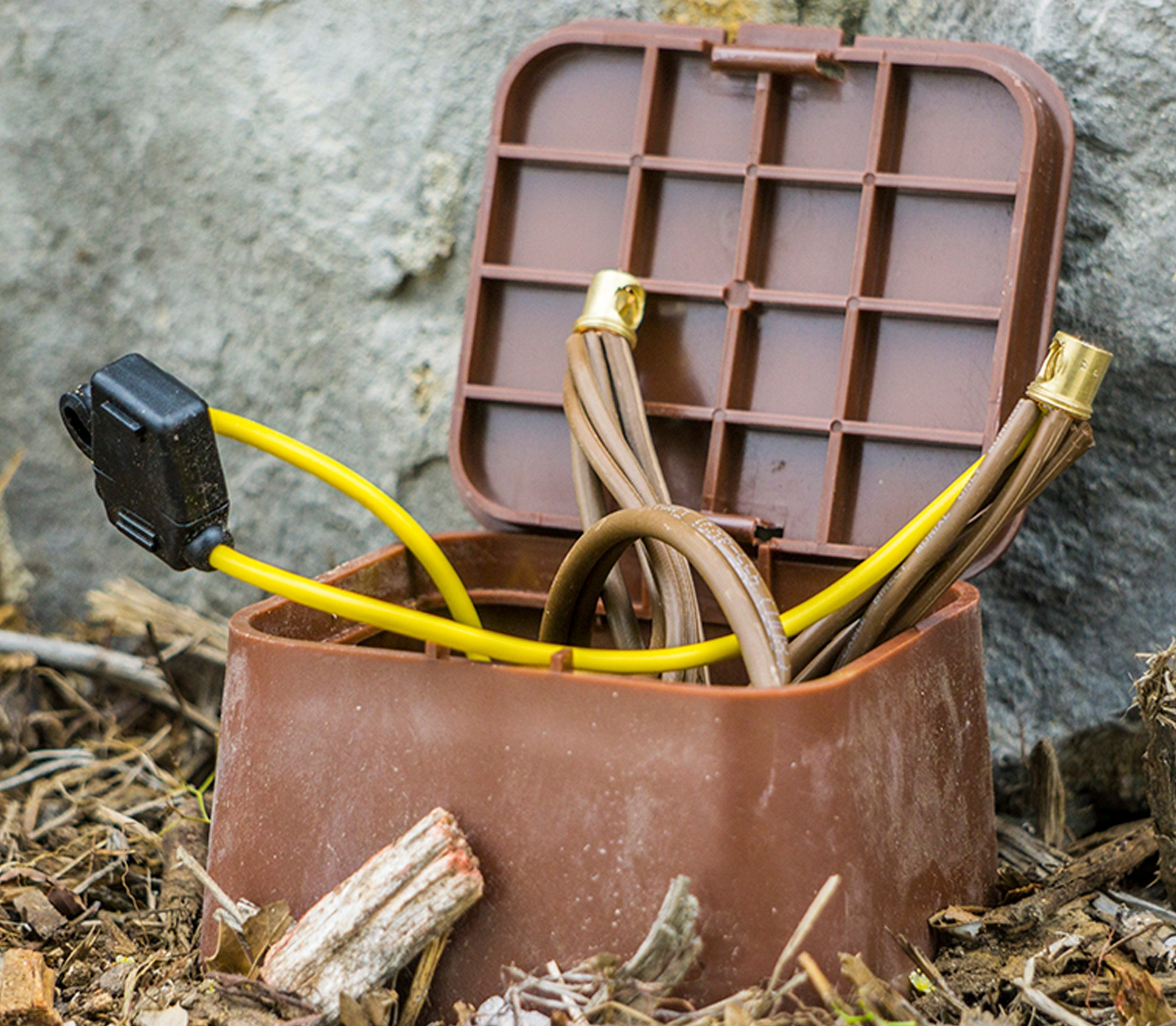
A non-corrosive fixture is useless if the wiring splices rot underground. This is why we pair our brass hardware with the HUB Wiring System.
By moving connections into protected, above-grade or sealed junction boxes, we eliminate the buried splices that cause 90% of flickering and failure in coastal homes.